Magnetotherapy: Complete guide by physiotherapists
Everything you need to know about magnetotherapy: what it is, how it works, what it's for, and how to safely use it at home.
- Class IIA medical device
- Real 100 Gauss
- Written by licensed physiotherapists
Licensed Physiotherapist · Founder of PhysioWow
100Gauss
real measured intensity
€3.25/day
rental from (120-day plan)
5clinics
free in-person pickup
2years
warranty · Class IIA device
Magnetotherapy is a non-invasive physiotherapy treatment that applies pulsed electromagnetic fields (PEMF) to the affected area to reduce pain and inflammation and speed up bone and tissue regeneration.
It is mainly used for:
- Joint pain and inflammation
- Osteoarthritis and arthritis
- Fractures and bone edema
- Sprains and ligament injuries
- Post-surgical recovery
- Osteoporosis
- Duration
- 20-30 min per day
- Results
- 2-4 weeks of consistent use
- Where
- At home (rental) or at a clinic
What is magnetotherapy?
Magnetotherapy is a therapeutic modality that uses magnetic fields to stimulate biological processes in the body with the objective of accelerating recovery, reducing pain, and promoting tissue regeneration. This technique is part of complementary physiotherapy treatments and has been used in medicine for centuries, though its modern application developed primarily from the second half of the 20th century onwards.
The origins of magnetotherapy date back to ancient civilizations, where Mesopotamians and Egyptians already used natural magnetic minerals to treat various ailments. However, it was in the 16th century that Swiss physician Paracelsus systematically documented the use of magnets in medicine. Today, magnetotherapy has evolved into specific technological devices that allow precise control of the intensity, frequency, and duration of applied magnetic fields.
There are two main types of magnetotherapy: static magnetotherapy, which uses constant magnetic fields produced by permanent magnets, and pulsed magnetotherapy, which uses magnetic fields that vary in intensity and frequency. Pulsed magnetotherapy is the most used in clinical and home contexts, as it allows greater adaptability to different pathological conditions and offers more consistent results according to available scientific evidence.
Static magnetotherapy
Uses permanent magnets that generate a constant magnetic field. Static fields have limited applications compared to pulsed magnetotherapy, mainly because the body's neurophysiological adaptation to a constant stimulus reduces its effectiveness over time.
Pulsed magnetotherapy
Generates magnetic fields that vary in intensity and frequency, allowing greater therapeutic effectiveness. This type is most used in treatment protocols, especially for accelerating bone consolidation, reducing inflammation, and relieving pain.
What is magnetotherapy used for?
Magnetotherapy has well-established clinical indications, supported by scientific studies and the experience of physiotherapy professionals. Below, we detail the main conditions for which magnetotherapy is beneficial:
Fractures and bone edema
Magnetotherapy is especially effective in treating bone fractures and bone edema, a condition where fluid accumulates within the bone. When a fracture occurs, the body initiates a consolidation process that requires a series of well-coordinated phases: initial inflammation, granulation tissue formation, bone callus formation, and finally bone remodeling. Pulsed magnetotherapy significantly accelerates these phases, stimulating osteoblast activity and improving vascularization of the fractured area.
Bone edema, frequently observed in athletes and people with mechanical overload, is especially painful because the fluid pressure compresses nerve endings within the bone. Magnetotherapy reduces this edema by improving lymphatic and venous drainage, aligning fluid flow and reducing intraosseous pressure. This results in a significant reduction of pain, often observable within the first weeks of treatment.
Magnetotherapy for fractures can reduce consolidation time by 15-30% according to clinical studies, being especially effective in fractures of the humerus, forearm, hip, and tibia. Bone edema also responds very well, with typical resolution in 30-60 days of consistent treatment.
How it helps: Stimulates osteogenesis, improves bone vascularization, and reduces intraosseous edema, accelerating consolidation and relieving pain.
Osteoarthritis and arthritis
Osteoarthritis is the most common degenerative joint disease, characterized by progressive degradation of the articular cartilage. Arthritis, on the other hand, is an inflammation of the joint that can have different etiologies (rheumatoid, septic, reactive). Both conditions present with pain, stiffness, and progressive loss of functionality if not treated appropriately.
Magnetotherapy has demonstrated effectiveness in both conditions through multiple mechanisms. First, it significantly reduces joint inflammation by modulating the local immune response, decreasing the production of pro-inflammatory cytokines such as TNF-α and IL-6. This is particularly important in arthritis, where inflammation is the primary pathological mechanism. Second, it improves joint lubrication by stimulating the production of hyaluronic acid by synovial cells (cells of the synovial membrane), reducing friction and pain during movement.
In osteoarthritis, magnetotherapy can help slow cartilage degeneration by improving cartilage nutrition through better microcirculation and by stimulating chondrocyte activity (cartilage cells). Although magnetotherapy cannot regenerate cartilage already lost, it can maintain the health of remaining cartilage and provide pain control comparable to NSAIDs in many cases.
How it helps: Reduces joint inflammation, improves joint lubrication, and slows cartilage degeneration, relieving pain and improving mobility.
Chronic back pain
Chronic back pain affects a significant proportion of the adult population and represents one of the most frequent causes of work disability. This type of pain can have multiple origins: disc problems (herniation, protrusion, discpathy), articular dysfunction (facet arthrosis), chronic muscle contracture, or a combination of several factors.
Magnetotherapy is particularly useful in chronic back pain because it acts on several of these mechanisms simultaneously. It improves vascularization of the intervertebral discs, which are avascularized structures that depend on nutrient diffusion from adjacent blood vessels. Better disc nutrition favors its hydration and resistance, reducing the tendency to degeneration. Additionally, magnetotherapy reduces chronic muscle contracture by improving local circulation and by modulating the activity of nociceptors (pain receptors).
In cases of radicular pain (radiating to the limbs due to nerve compression), magnetotherapy can be especially beneficial by reducing perineural inflammation (around the nerve) and by improving nerve conduction. Protocols for chronic back pain are typically 30-45 minutes daily for 15-30 days, with observable results in 1-2 weeks in many patients.
How it helps: Improves disc nutrition, reduces inflammation and muscle contracture, and modulates neuropathic pain, providing significant relief from chronic pain.
Post-surgical recovery
Surgery, while necessary in many cases, generates significant tissue trauma that requires a repair and healing process. The immediate post-surgical period is characterized by inflammation, pain, edema formation, and if there are bone incisions, a bone consolidation process. Magnetotherapy is especially valuable in this context because it accelerates all these recovery processes.
After bone surgery (for example, surgical treatment of fractures with internal fixation, hip or knee arthroplasty), magnetotherapy stimulates bone consolidation exactly as described in fractures. Studies show that its post-operative use can reduce the time to functional recovery and accelerate implant osseointegration. In soft tissue surgery (ligaments, tendons, muscles), magnetotherapy promotes the formation of higher quality collagen, improving the strength of repaired tissue.
Magnetotherapy is also very effective in reducing post-surgical edema, which is one of the main functional limiters in the early post-operative period. By improving lymphatic drainage and venous circulation, it reduces fluid accumulation, allowing earlier mobilization and faster functional return. It is recommended to initiate magnetotherapy within 48-72 hours after surgery, with protocols typically of 30-60 minutes twice daily for 30-45 days.
How it helps: Accelerates bone consolidation, reduces post-surgical edema, improves soft tissue healing, and promotes early functional return.
Osteoporosis
Osteoporosis is a systemic disease characterized by decreased bone mineral density, increasing bone fragility and the risk of pathological fractures. It is particularly prevalent in postmenopausal women and older people, though it can affect anyone with risk factors present.
Magnetotherapy in osteoporosis acts through a dual mechanism: on one hand, it stimulates osteogenesis (new bone formation) through osteoblast activation, and on the other hand, it reduces osteoclastogenesis (bone destruction) by modulating osteoclast activity. This results in a positive anabolic (formative) balance that can improve bone mineral density. Longitudinal studies suggest that long-term pulsed magnetotherapy can increase bone density by 2-5% annually in regions of frequent application.
Beyond the effect on bone density, magnetotherapy is valuable in osteoporosis because it significantly reduces chronic bone pain, which is a frequent symptom though not always recognized. This pain limits physical activity, perpetuating the cycle of weakness and greater bone loss. Magnetotherapy for osteoporosis is typically used long-term, 30 minutes daily, with protocols of 45-60 days or more depending on individual response.
How it helps: Stimulates bone formation, reduces bone destruction, improves bone mineral density, and alleviates chronic bone pain.
Sports injuries
Sports injuries include a wide spectrum of conditions: ligament sprains, muscle strains, meniscus tears, tendon injuries (tendinitis, tendinosis), contusions, and traumatic fractures. The objective in sports injuries is not only to relieve pain but to restore functionality as quickly as possible to allow return to activity.
Magnetotherapy is particularly valuable in sports injuries because it acts on the injury by accelerating tissue repair while simultaneously reducing the pain that limits rehabilitation. In ligament sprains, magnetotherapy reduces inflammation and facilitates ligament tissue regeneration, improving joint stability. In muscle strains, it promotes regeneration of damaged muscle fibers and reduces the formation of restrictive fibrosis that often results in loss of flexibility. In tendon injuries (tendinitis), it reduces inflammation and stimulates the synthesis of better quality collagen, reducing the risk of recurrence.
An important aspect is that magnetotherapy does not interfere with other rehabilitation treatments; in fact, it improves results when combined with active physiotherapy and therapeutic exercise. Athletes can use magnetotherapy in both acute and chronic phases of injury, adapting parameters according to the healing phase. The typical protocol is 30-45 minutes daily for 15-30 days for acute injuries, and 30 minutes 1-2 times weekly for preventive maintenance in athletes.
How it helps: Accelerates repair of ligaments, muscles, and tendons, reduces pain and inflammation, and allows faster return to activity without compromising healing quality.
Sprains and ligament injuries
Sprains are among the most common sports injuries and mainly affect the ankle and knee, occurring when ligaments are stretched or partially torn by a sudden movement. In the acute phase (first 48-72 hours), edema and inflammation predominate, and magnetotherapy helps reduce them by improving lymphatic and venous drainage in the area. In the repair phase, it stimulates collagen synthesis and promotes regeneration of the ligament tissue, improving joint stability. The suggested protocol follows our guidance of 3 sessions of up to 1 hour a day (about 3 hours a day in total) for 2-4 weeks, combining magnetotherapy with relative rest, ice during the acute phase, and progressive therapeutic exercise.
How it helps: Reduces edema and inflammation in the acute phase, accelerates ligament repair, and improves joint stability in the ankle and knee.
Rent it or buy it — your call
The same professional magnetotherapy clinics use, at home. Start by renting to try it, or buy it if you already know it.
Try it at home
15
days
75€
5.00€/day
- Most popular
30
days
135€
4.50€/day
45
days
180€
4.00€/day
60
days
210€
3.50€/day
- Best value
120
days
390€
3.25€/day
- Delivery in 24-48 h or free clinic pickup
- No commitment: choose the days you need
- Includes device, accessories and usage guide
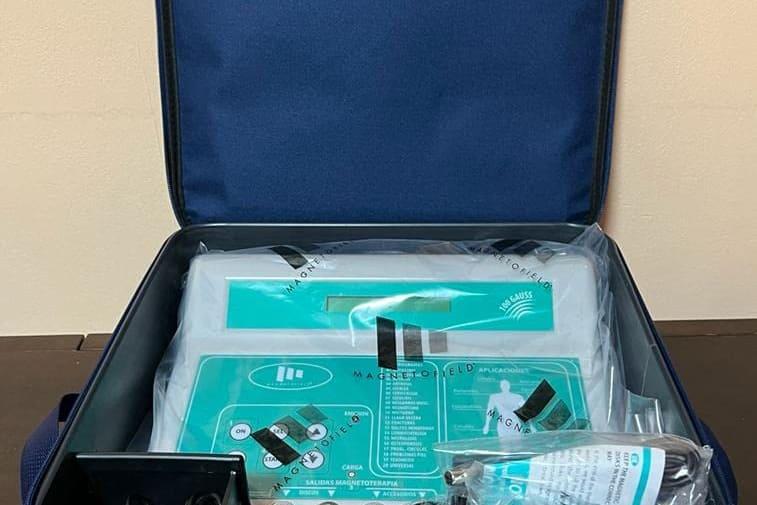
Magnetofield 100 Gauss
VAT included · Free 24-48 h shipping
- Real, measured 100 Gauss
- 2 independent channels
- 20 therapeutic programmes
- 8 h night programme
- Class IIA · made in Italy · 2-year warranty
Not sure yet? Start by renting. If you decide to keep it, we deduct 100% of what you paid in rent from the purchase price.
How does magnetotherapy work?
Magnetotherapy works through biophysical and biochemical mechanisms that alter the behavior of cells and molecules in the body. Below, we explain how it acts at three different levels:
Mechanism at the cellular level
Pulsed magnetic fields interact with ionic charges present inside and outside cells. This interaction modifies the cellular membrane potential, promoting the entry of calcium and other essential ions that activate regeneration and repair processes. Magnetic fields stimulate mitochondria, increasing the production of adenosine triphosphate (ATP), which is the cell's 'energy currency'. With more energy available, cells can work more efficiently in repairing damaged tissues.
Mechanism at the tissue level
At the tissue level, magnetotherapy has effects on vascularization, inflammation, and fibrosis. Pulsed magnetic fields improve microcirculation, increasing blood flow to the affected area. This promotes tissue oxygenation and elimination of metabolites that perpetuate pain and inflammation. Additionally, magnetotherapy reduces chronic inflammatory response by modulating the activity of immune cells, particularly macrophages and lymphocytes. In the case of bone injuries, it specifically stimulates the activity of osteoblasts, the cells responsible for new bone formation.
Mechanism at the systemic level
The effects of magnetotherapy are not limited to the local area of application. Magnetic fields can generate changes in hormonal and nervous system regulation that affect the entire organism. It has been documented that magnetotherapy can modulate the production of endorphins and other analgesic neurotransmitters, explaining its systemic analgesic effect. Likewise, it positively influences the regulation of the sleep-wake cycle and the parasympathetic nervous system response, promoting states of relaxation and recovery that are fundamental for tissue healing.
Benefits of magnetotherapy
Magnetotherapy offers multiple benefits that position it as a valuable therapeutic option in various clinical contexts:
Pain reduction (analgesia)
One of the most immediate and notable effects is pain reduction. Magnetotherapy acts through multiple analgesic mechanisms: it blocks the conduction of pain impulses through modulation of ionic channels in nociceptive neurons, stimulates the release of endorphins and enkephalins (natural opioids of the body), and improves microcirculation by reducing the accumulation of pain-causing substances. Many patients report observable pain relief within the first weeks of treatment.
Acceleration of bone consolidation
Pulsed magnetotherapy is one of the most effective treatments for accelerating bone healing. It specifically stimulates osteoblasts (bone-forming cells) and improves vascularization of the injured area. Clinical studies document reductions of 15-30% in consolidation time, being especially effective in slow-healing fractures or bone edema.
Anti-inflammatory effect
Chronic inflammation is the basis of many painful and degenerative conditions. Magnetotherapy modulates the inflammatory response by reducing the production of pro-inflammatory cytokines (TNF-α, IL-1, IL-6) and increasing anti-inflammatory cytokines (IL-10, TGF-β). This effect is particularly pronounced in arthritis, osteoarthritis, and other inflammatory conditions.
Improved blood circulation
Magnetotherapy dilates blood vessels (vasodilation) and promotes angiogenesis (formation of new vessels), significantly improving tissue oxygenation. Better vascularization accelerates the elimination of waste metabolites, reduces local acidosis, and provides better cellular nutrition for repair processes.
Tissue regeneration
Beyond symptomatic relief, magnetotherapy acts on the fundamental biological processes of tissue repair. It stimulates collagen synthesis, promotes cell differentiation toward repair cells, and optimizes each phase of the healing process. This is applicable to bone, cartilage, ligaments, tendons, and muscle.
Non-invasive and painless
Unlike injections, surgery, or other invasive treatments, magnetotherapy is completely non-invasive. It produces no pain during application and requires no post-treatment recovery. The device is placed directly on the skin or clothing, without invasive contact.
Compatible with other treatments
Magnetotherapy does not interfere with medications, does not contraindicate other physiotherapy treatments, and in fact often enhances results when combined with therapeutic exercise, massage, or rehabilitation. Many physiotherapists integrate it into multimodal protocols.
Applicable at home
Unlike many physiotherapy treatments that require travel to clinics, magnetotherapy can be used at home. This improves therapeutic adherence, allows for more consistent treatments, and reduces access barriers, especially important for people with limited mobility or those living in rural areas.
View rental equipmentWhat contraindications does magnetotherapy have?
Although magnetotherapy is generally safe, there are situations where it should not be used or should be used with special caution. It is important to know these limitations to ensure safe application.
Absolute contraindications
Situations where magnetotherapy should NOT be used under any circumstances:
- Cardiac pacemaker or implantable cardioverter defibrillator (ICD) users: magnetic fields can interfere with device function
- Users of implanted medication infusion pumps or electronic drug delivery systems
- Users of ferromagnetic metal implants that are not secure (brain clips, intraocular metal fragments, non-fixed ferromagnetic prosthetics)
- Pregnancy, particularly first trimester (due to lack of data on fetal safety)
- Active malignant processes or cancer in the application area (theoretical risk of tumor cell stimulation)
- Acute infections in the application area (may potentiate infectious processes)
Relative contraindications
Situations where magnetotherapy can be used but requires careful evaluation and possibly parameter adjustment:
- Poorly controlled diabetes mellitus (magnetic fields may alter tissue sensitivity; requires glucose monitoring)
- Uncontrolled arterial hypertension (magnetotherapy may affect blood pressure; monitoring required)
- Seizures or epilepsy (must evaluate if magnetic fields can trigger seizures in specific patient)
- High fever or acute systemic infections (recommend deferring treatment until acute phase resolution)
- Menstrual cycle: although not an absolute contraindication, some studies suggest reduced response during menstruation in some women
- Severe sensory disturbances (risk of skin irritation without patient perception)
Important warning: although the contraindications listed are based on scientific evidence and theoretical considerations, each patient is unique. Before initiating magnetotherapy, especially if you have chronic medical conditions, take medications, or have medical implants, it is essential to consult with your doctor or physiotherapist. It is the professional's responsibility to assess the risk-benefit balance in your specific situation. At PhysioWow, we perform a thorough evaluation before any treatment to ensure it is safe and appropriate for you.
Consult our team
Our physiotherapists can advise you — no commitment — on whether magnetotherapy is right for your case.
Read more: contraindications and side effects of magnetotherapy
See scientific evidence and sources
Scientific evidence for magnetotherapy
Magnetotherapy has been the subject of multiple scientific studies and systematic reviews. As healthcare professionals, we present an honest and nuanced assessment of available evidence, acknowledging both applications with solid evidence and those where evidence is more limited.
Strong evidence
These applications have rigorous studies, including controlled clinical trials, demonstrating consistent benefits:
- Consolidation of bone fractures (especially humerus, radius, tibia, and femur)
- Traumatic and post-surgical bone edema
- Post-surgical recovery of bone and soft tissue
- Pain reduction in osteoporosis
Moderate evidence
These applications have studies showing benefits, though the quality of evidence is variable or sample sizes are moderate:
- Pain and function in knee and hip osteoarthritis
- Inflammation in arthritis (including rheumatoid arthritis)
- Immediate post-operative pain
- Post-surgical edema
- Surgical wound healing
Limited evidence
These applications have available studies, but evidence is more limited in quantity or quality, and more research is needed:
- Non-specific chronic pain (without clear organic cause)
- Soft tissue injuries (ligaments, tendons, muscles) in acute phases
- Migraines
- Fibromyalgia
- Dermatological conditions
Sources of evidence
The information presented is based on:
- Systematic reviews from Cochrane Library on magnetotherapy
- Guidelines from Spain's Ministry of Health on medical devices
- Studies published in indexed journals such as Journal of Orthopedic Research, Bioelectromagnetics, Physical Medicine and Rehabilitation
- Consensus from European physiotherapy professional associations
- Clinical experience of over 15 years in applying magnetotherapy in rehabilitation contexts
Magnetotherapy is not a cure for any disease. It is a complementary treatment that can accelerate natural recovery processes and relieve symptoms. It should always be part of a comprehensive treatment plan that may include physiotherapy, exercise, medication, and in some cases, surgical intervention. Available evidence suggests it is effective in specific clinical contexts, but it is not a substitute for professional clinical judgment or appropriate medical diagnosis.
See step-by-step home use guide
Magnetotherapy at home: how to use it safely
Magnetotherapy can be perfectly performed at home with appropriate equipment and by following correct protocols. Below, we offer practical recommendations based on established clinical protocols:
Equipment selection
Ensure the device is pulsed magnetotherapy (more effective than static) and comes with quality guarantee and CE certification. Verify it has different adjustable programs according to the condition being treated. Professional equipment will be more effective than low-cost devices.
Location and positioning
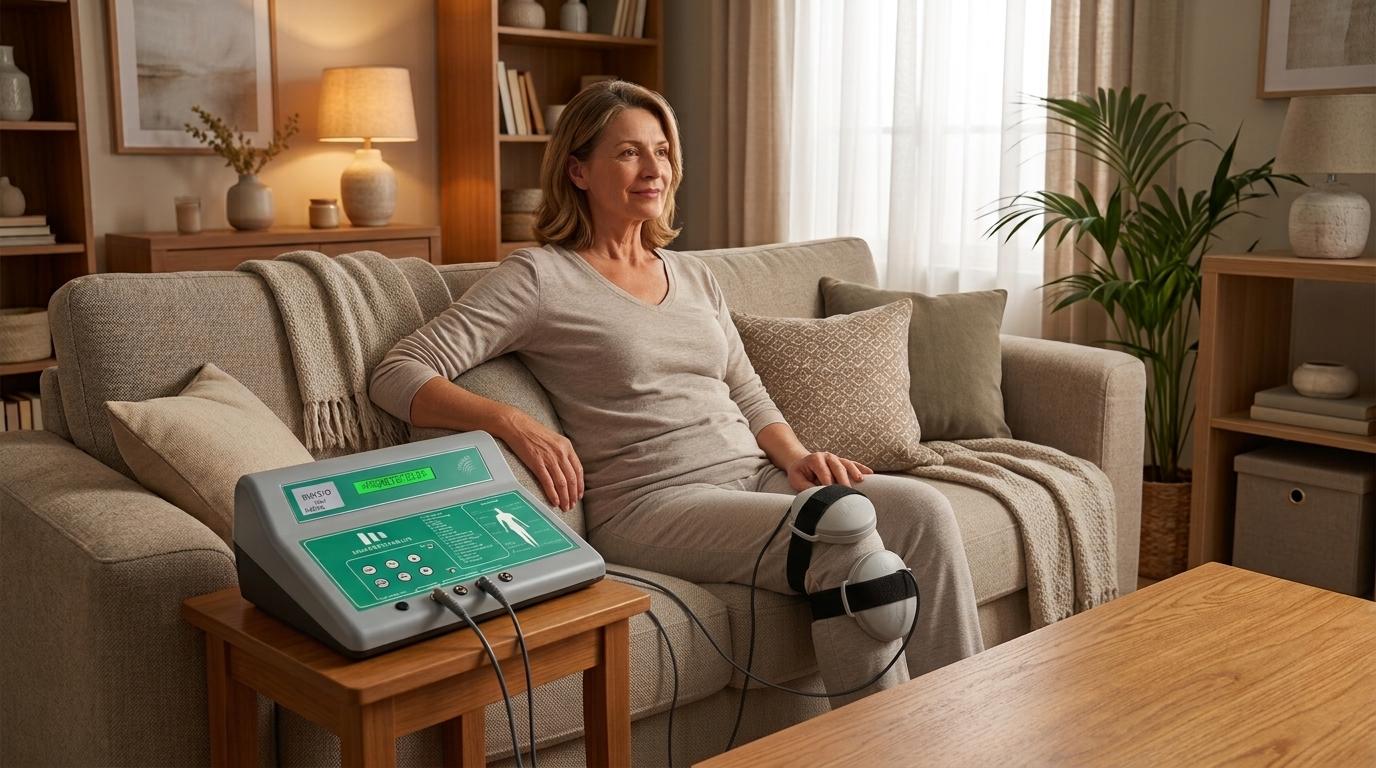
Place the device directly on clean skin or clothing, in direct contact with the affected area. For deep injuries (hip, lumbar spine), ensure the device has sufficient penetration (typically 8-12 cm depth). It can be used while resting, watching television, reading, etc.
Application time
We recommend 3 hours per day split into sessions of up to 1 hour each. Follow the recommended times for your specific condition (see table below). Consistency is more important than the duration of each individual session.
Frequency
Some protocols require one daily session, others require two daily sessions (morning and afternoon), ideally spaced 12 hours apart. Consistency is crucial; skipping days significantly decreases effectiveness. It is better to do one short session than nothing.
Treatment duration
Typically, treatments range from 15-60 days depending on the condition. Do not interrupt before this period without consulting. If after the recommended period you observe no improvement, consult a professional to evaluate if parameter adjustment is needed or other options should be considered.
Safety precautions
Do not use magnetotherapy if you have ferromagnetic implants (consult first). Remove any metal objects (rings, bracelets, watches) from the application area. Do not use during pregnancy. If you experience adverse effects (dizziness, palpitations, increased pain), stop immediately and consult.
Recommended protocols table
Below are standard protocols according to condition. These are reference protocols; your physiotherapist may adapt them based on your individual response:
| Condition | Duration per session | Frequency | Total treatment duration |
|---|---|---|---|
| Bone fracture | 60 minutes | 3 times/day | 30-45 days |
| Bone edema | 60 minutes | 3 times/day | 30-60 days |
| Osteoarthritis | 60 minutes | 3 times/day | 30 days (repeatable) |
| Chronic back pain | 60 minutes | 3 times/day | 15-30 days |
| Post-surgical recovery | 60 minutes | 3 times/day | 30-45 days |
| Osteoporosis | 60 minutes | 3 times/day | 45-60 days (continuous maintenance) |
If you are considering a home device such as the MAG 2000, keep in mind that its protocols require 2 to 8 hours of daily application. With professional equipment the protocol drops to 2-3 hours: compare both options on our MAG 2000 rental page.
When to expect results?
Response to magnetotherapy varies between individuals, but typically:
- Pain relief: observable within 3-14 days of starting treatment
- Edema/inflammation reduction: observable within 1-3 weeks
- Significant functional improvement: 2-4 weeks in most cases
- Stabilization of benefits: at 30-45 days of complete treatment
Some patients respond faster, others need the full period. Consistency is more important than speed. If after 3 weeks you observe no change, consult a professional to evaluate if the protocol is appropriate for your case.
Need magnetotherapy equipment at home?
Rent professional equipment with warranty and technical support. 24-48h delivery throughout Spain.
View rental equipmentMagnetotherapy in Spain: rental in your city
We deliver professional magnetotherapy to your home across Spain, with free pickup at our clinics in Barcelona, Sant Cugat, Sant Joan Despí, Valencia and Seville. Here are some of the cities with the highest demand:
Frequently asked questions about magnetotherapy
What exactly is magnetotherapy?
Does magnetotherapy really work?
How long does magnetotherapy take to work?
Can magnetotherapy be used every day?
What is the difference between magnetotherapy and electrotherapy?
Do I need a medical prescription to use magnetotherapy?
What contraindications does magnetotherapy have?
What does magnetotherapy do for a sprain?
What is magnetotherapy used for?
Magnetotherapy articles
Dive deeper into the topics that interest you most with our specialized articles written by licensed physiotherapists.
My Opinion on Magnetotherapy: Does It Really Work?
Discover my professional opinion on magnetotherapy and its effectiveness in treating injuries.
Contraindicaciones y efectos secundarios de la magnetoterapia: cuándo NO usarla
Efectos secundarios y contraindicaciones de la magnetoterapia según un fisio: cuándo NO usarla y por qué la prótesis y la osteosíntesis casi nunca la impiden.
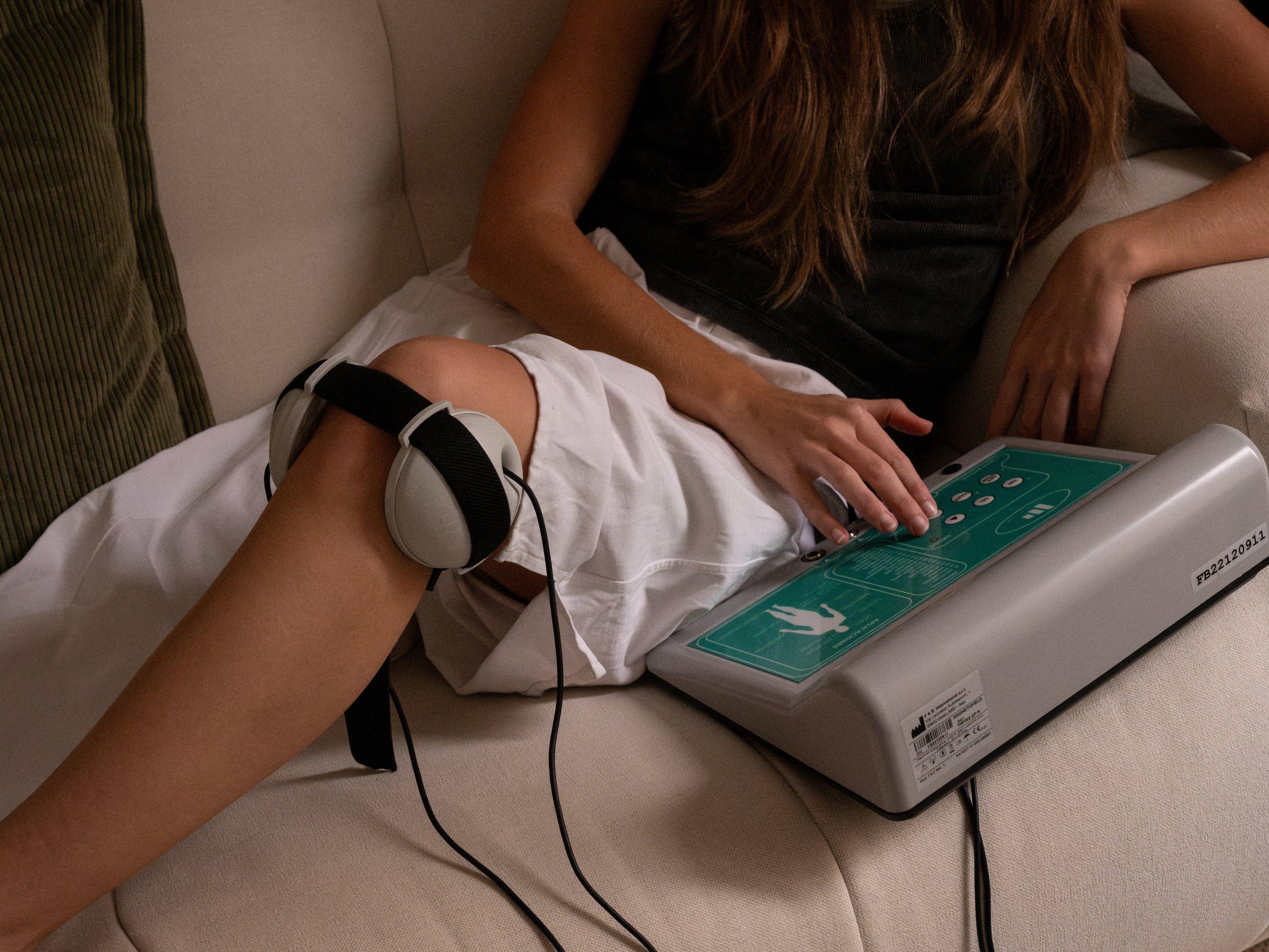
Magnetoterapia para hernia discal: qué puede hacer (y qué no)
Qué puede hacer la magnetoterapia en una hernia discal (dolor e inflamación) y qué no (curarla). Protocolo, banderas rojas y consejo honesto de un fisio.
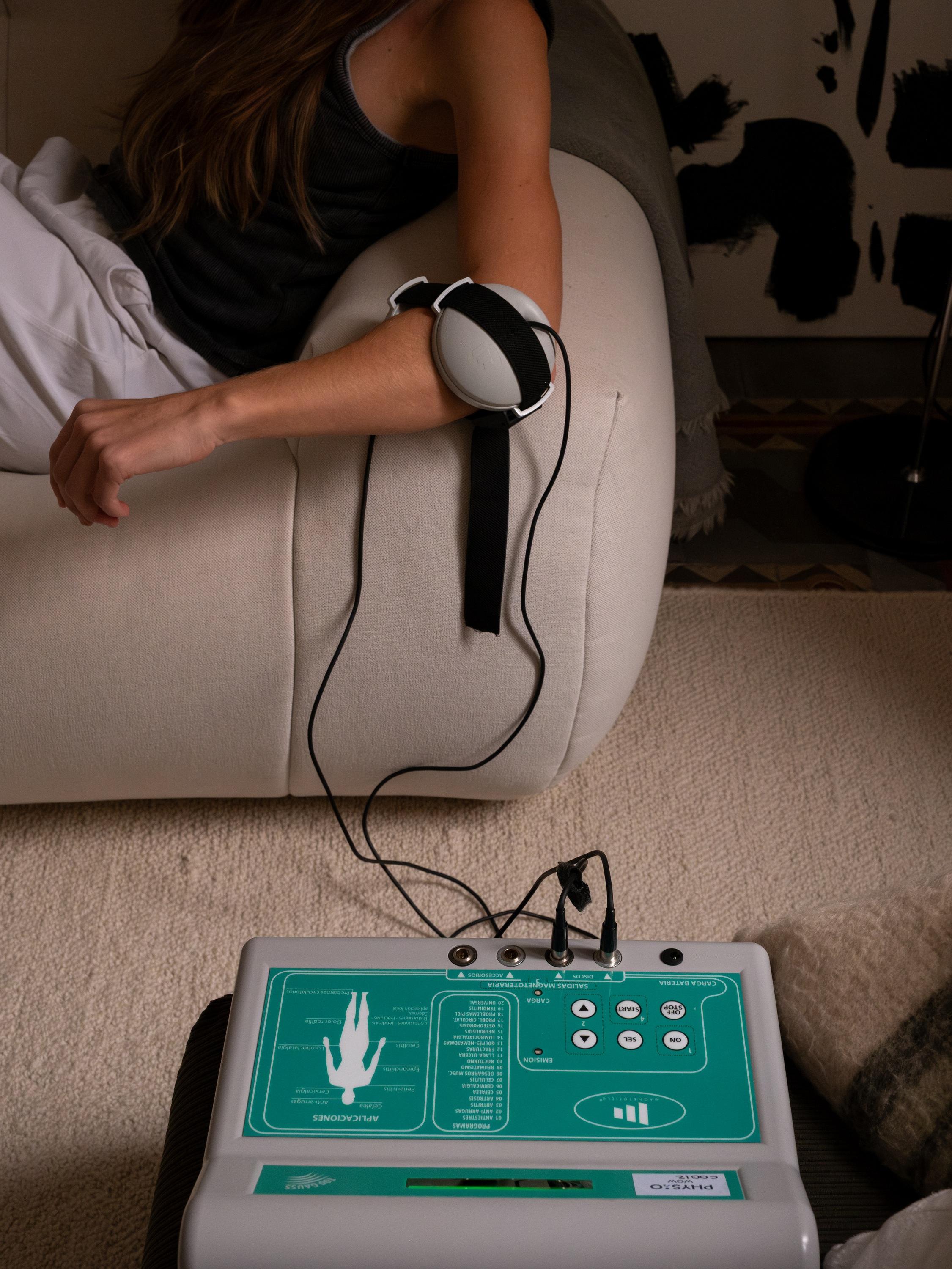
Magnetoterapia para rotura fibrilar: acelera tu vuelta al deporte
Qué aporta realmente la magnetoterapia en una rotura fibrilar, protocolo por grados y los errores que más retrasan la vuelta al deporte, explicado por un fisio.

Magnetoterapia para artrosis de rodilla: qué esperar según la evidencia
Qué puede aportar la magnetoterapia en la artrosis de rodilla según la evidencia: protocolo de sesiones, combinación con ejercicio y contraindicaciones.
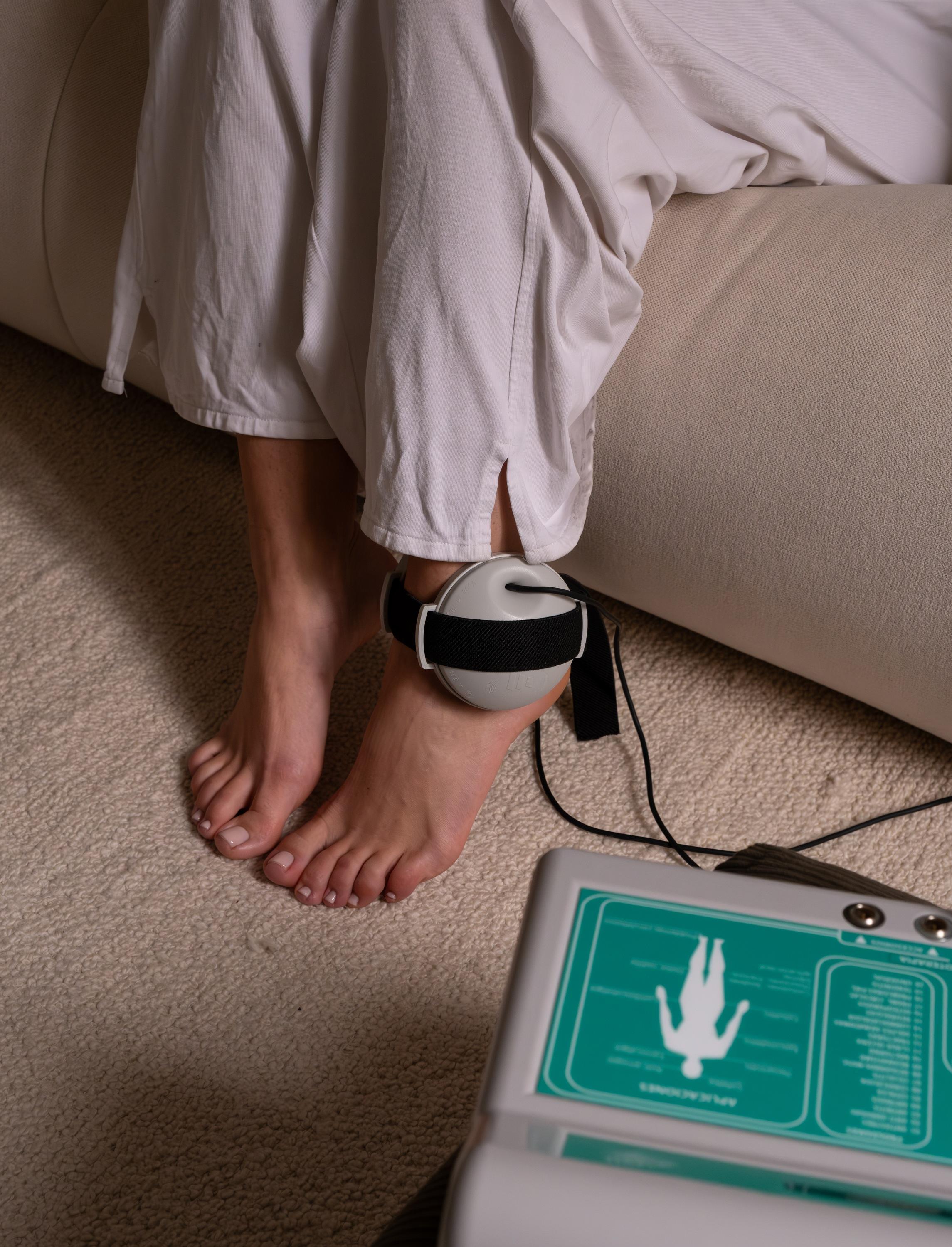
Magnetoterapia para esguince de tobillo: protocolo, sesiones y resultados
¿Ayuda la magnetoterapia en un esguince de tobillo? Protocolo por grado, combinación con RICE/POLICE y cuándo no usarla, explicado por un fisio colegiado.
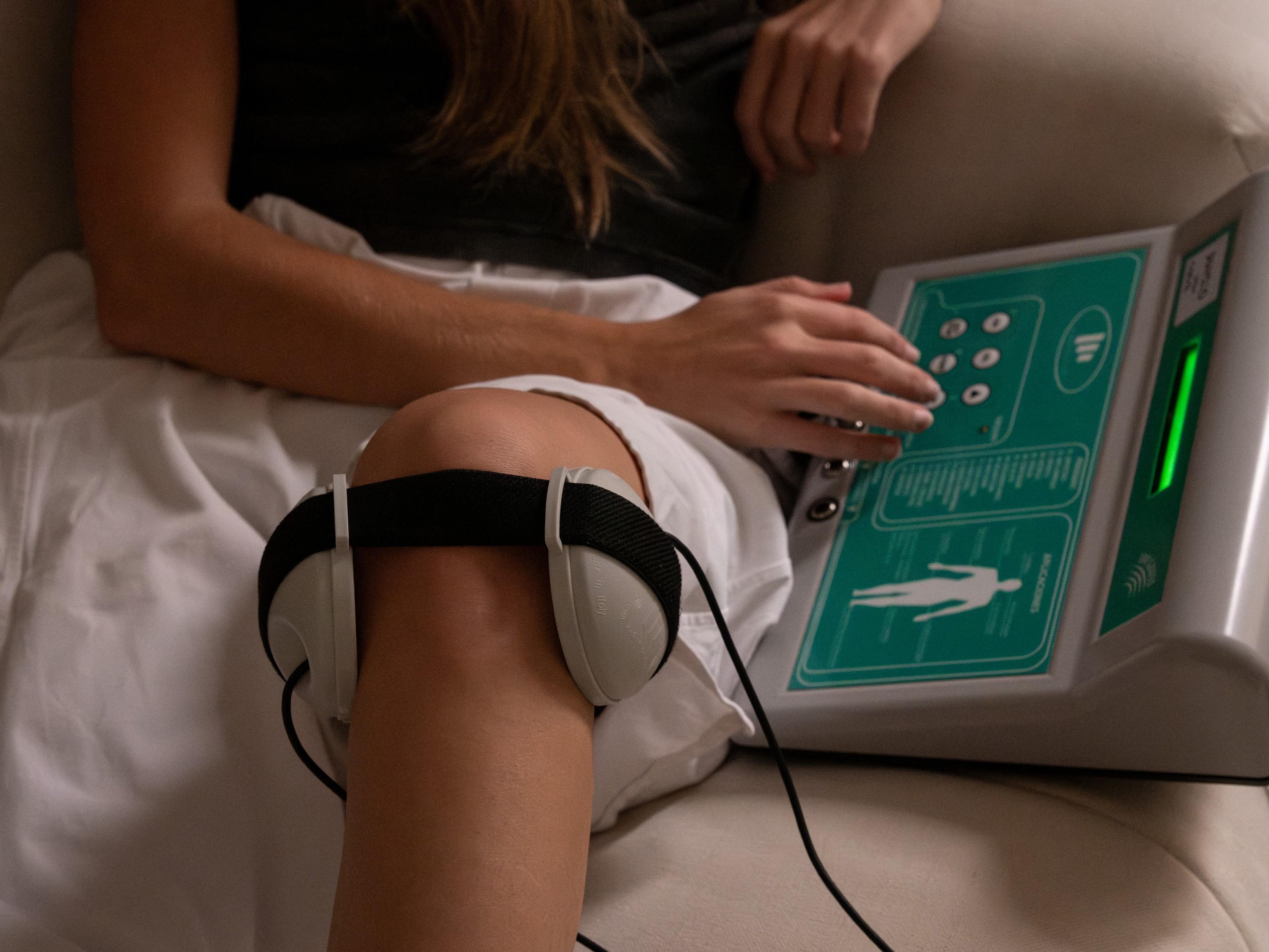
Ventajas y desventajas de la magnetoterapia: análisis honesto de un fisio
Análisis honesto de un fisioterapeuta: 7 ventajas y 4 desventajas reales de la magnetoterapia, con evidencia científica y contraindicaciones a tener en cuenta.

Bone edema: what it is, how long it lasts and how it is treated with physiotherapy
What bone edema is, why it occurs, and how physiotherapy and magnetotherapy can reduce pain and speed up recovery.
Do you need magnetotherapy at home?
Rent professional equipment with warranty and technical support from PhysioWow. Fast delivery, easy to use, proven results.
Available throughout Spain. Delivery in 24-48 hours.